2.3.2026
The atmosphere of a casino is meticulously designed to captivate and engage visitors. From elaborate themes to the sounds of spinning wheels and ringing slot machines, everything contributes to an immersive experience. This carefully curated environment stimulates excitement and encourages players to stay longer, often leading to increased gambling behaviors. The sensory overload experienced in a casino setting can evoke emotional responses that heighten the thrill of gambling, reinforcing a cycle of behavior that keeps players returning. For instance, those looking for options may find insightful information about casino not on gamstop helpful.
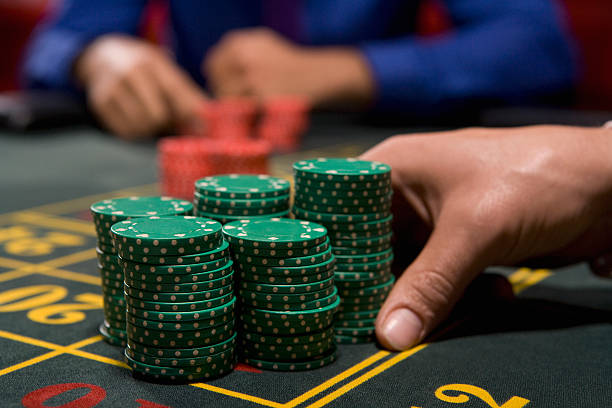
Moreover, the layout of casinos is strategically planned to promote exploration and discovery. Games are placed to entice individuals from one area to another, compelling them to try different activities. This physical design, combined with the psychological impact of a vibrant environment, creates a sense of urgency and anticipation, effectively manipulating players’ decisions to gamble more.
Cognitive biases play a significant role in how individuals perceive their chances of winning while gambling. One common bias is the illusion of control, where gamblers believe they can influence outcomes in games of chance. This misconception often leads to riskier behaviors, as individuals may continue to bet despite previous losses, convinced that their luck will change. This psychological phenomenon can make gambling feel rewarding, even when it is not statistically in their favor. Understanding how these biases work can help you identify when to seek assistance.
Moreover, the availability heuristic influences players’ perceptions of winning streaks. When individuals recall instances of big wins, they tend to overestimate their likelihood of success, disregarding the more frequent losses. This skewed perception can perpetuate gambling behaviors, as players continue to chase the excitement of winning, often at the cost of their financial stability.
Emotions significantly influence gambling behaviors, with many individuals using gambling as a way to escape stress or negative feelings. People often turn to the thrill of gambling during emotionally charged periods, seeking relief from anxiety or depression. This behavior can create a cycle of emotional highs and lows, as temporary wins provide fleeting joy while losses can lead to deeper feelings of despair, pushing individuals to gamble even more to recoup their losses. It's essential for those in this situation to recognize these patterns and consider reaching out for support.
Additionally, positive emotions can also drive gambling. The excitement of winning, even in small amounts, can trigger the release of dopamine, creating a rewarding feedback loop. This biochemical reaction reinforces the desire to gamble, as players chase that euphoric state again. Understanding the emotional triggers behind gambling can help individuals recognize patterns in their behavior and address the underlying psychological factors at play.
Social dynamics significantly shape how individuals engage with gambling. Peer pressure and social acceptance play a crucial role, particularly among younger adults. The perception that gambling is a socially acceptable form of entertainment can lead individuals to gamble more frequently, as they seek to fit in or gain approval from their peers. This social context can amplify gambling behaviors, making it a shared experience that is seen as fun and adventurous. Awareness of these influences is vital for making informed decisions about gambling.
Furthermore, the rise of online gambling platforms has introduced new social elements, such as the ability to share experiences through social media. Many players often showcase their wins and experiences online, which can encourage others to participate in gambling. This social validation can further normalize the behavior, leading to increased participation and potentially harmful gambling activities as individuals strive to emulate the perceived success of others.
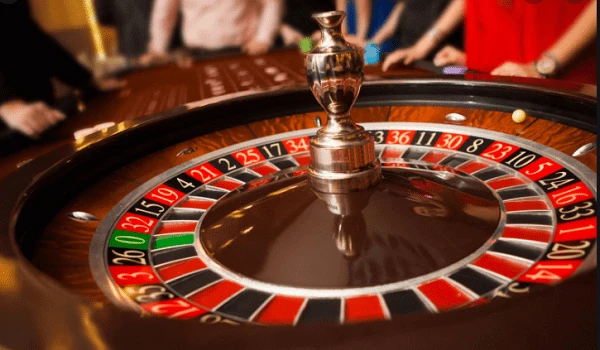
Understanding the psychological dimensions of gambling is essential to developing effective support systems for those affected by gambling addiction. Recognizing the underlying motivations, emotional responses, and social influences can empower individuals to seek help when needed. Resources and support networks, such as counseling and community programs, play a vital role in addressing these issues and providing assistance to those struggling with gambling behaviors.
At bereavementcommission.org.uk, we aim to create a compassionate community that acknowledges the complexities of all forms of loss, including the emotional impact of gambling addiction. By providing essential resources and fostering connections among individuals navigating these challenges, we strive to empower users and promote healing. Understanding the psychology behind gambling behaviors can help individuals better manage their relationships with gambling and find solace in their journey towards recovery.
Share


קביעת תור למרפאה, בטל': 072-3942614
קביעת תור למוקד החירום, בטל': 6343*
וב Whatsapp:י 054-5059620
פקס: 03-7645462
כתובת:
סניף ראשי: בית החולים אסותא, הברזל 20, קומה 1, רמת החייל, תל אביב
©כל הזכויות שמורות לא.ר.ם